
Wellington’s New Homelessness Coordination Service
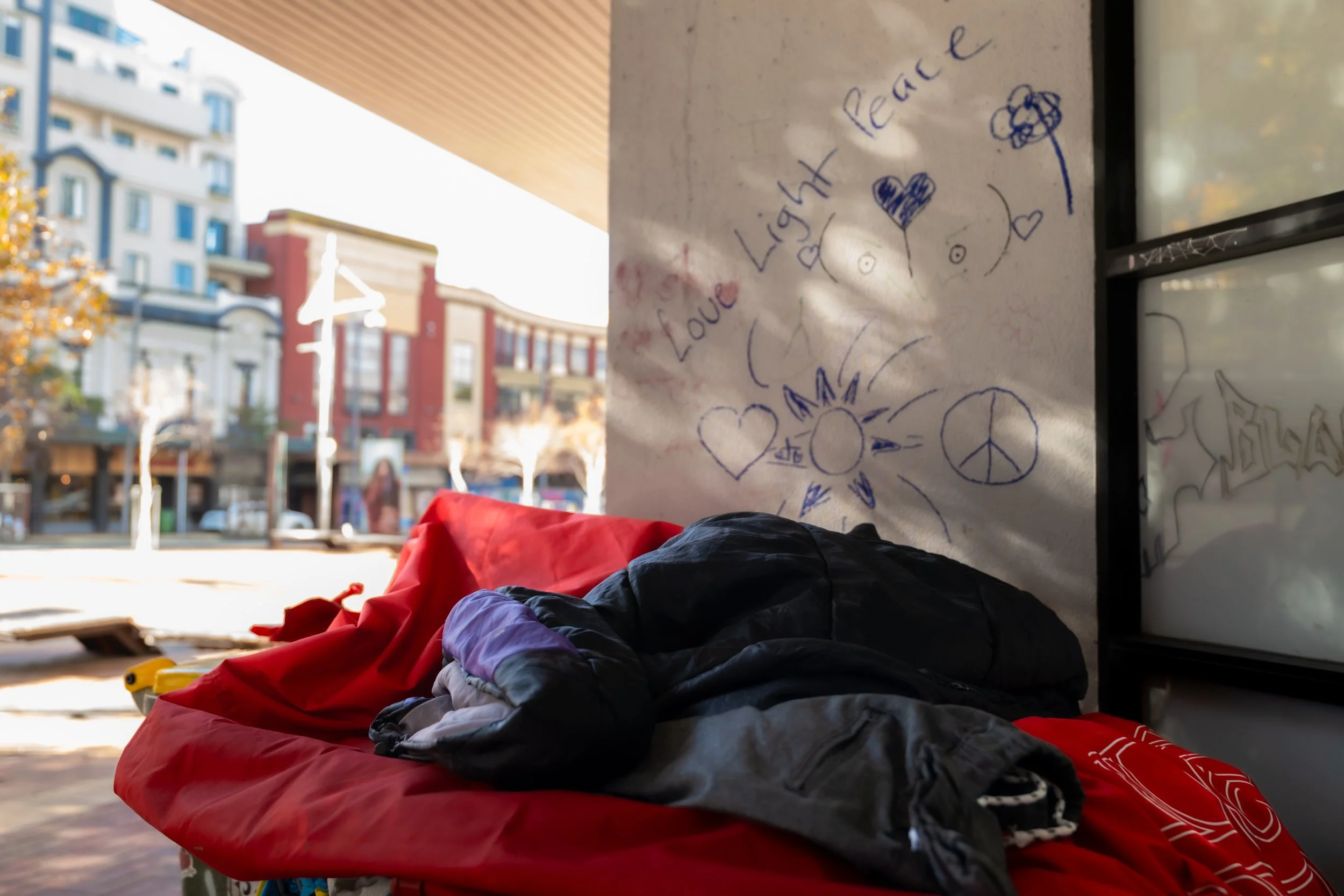
Some of you might remember an announcement last year that a new Homelessness Coordination Service was being launched in Wellington. Funded by Wellington City Council and bringing together the expertise of DCM, Wellington City Mission and He Herenga Kura, and Te Whatu Ora, this pilot project is one of the first of its kind in the country.
It came directly out of an acknowledgment that for some homeless whānau, particularly those with complex needs, the existing supports are often not able to meet their needs and that more coordinated, and “bespoke,” service provision was needed to support them. There is a big team behind this work fronted by two amazing kaimahi, Rowan and Lily. The wider team includes frontline kaimahi (in particular the key workers of the five whānau involved) through to managers from each organisation, and participating Government Departments.
The Management and Operational Group (or MOG, as it’s fondly called) is a team of managers and those within agencies with, in Rowan’s words, “connections and power over resources to make things happen.” Above them, providing strategic advice and guidance, sit the Strategic Oversight and Governance Group. Those familiar with the sector will know that, despite everyone’s best efforts, a lack of resourcing and time make it very difficult to get a group of key players together in the same room at the same time. Perhaps more than anything else it is this project’s mission to bring together multiple agencies, and those at different levels within them, that sets it apart:
“Agencies are so often funded in ways that make them compete for funding, or have a small amount of resources for a big demographic …Because there’s such a scarcity of what’s available, it means that people struggle to collaborate even when they want to.”
So what happens when you put more resourcing behind homeless whānau with extreme complexity and bring everyone to the table? Well, a lot it turns out. Only three months in and the early results are looking hopeful. When asked what’s surprised her most about the project Rowan says, laughing slightly:
“honestly, it’s probably been more sucecssful then we thought... [working in this sector] you can get a bit like – I don’t know how anything can change, within the current system, for these people.”
Lily decribes the story of one of the first whānau signed up to this service, someone with a long history of being supported by DCM and other agencies around the city. In and out of housing this person had lived on the street most of their adult life, interspersed by time spent in prison. Due to the collaborative efforts of this team- and steered by the hands of Lily and Rowan- this person has now been in transitional housing for over a month, a huge milestone for this individual who has even started reconnecting with family they haven’t seen in years.
“it just shows what is possible when you use these services in bespoke ways for people.”
Something that has struck Lily in particular about this work is just how well our street whānau are known by local services and communties:
“our rough sleepers and our street whānau are so cared for… beyond what the public sees. There are so many resources and so much care and compassion”
A common misconception is those experiencing homelessness are unknown and ‘hard to reach.’ This service addresses the more complex truth: our homeless whānau are well known but due to a shortage of resources and time throughout the sector, far too many continue to fall through the cracks. We’re hopeful to see a similar service continue beyond this pilot, so keep a eye out for updates as the year progresses.